.png)


Western Australia’s Brick Shortage

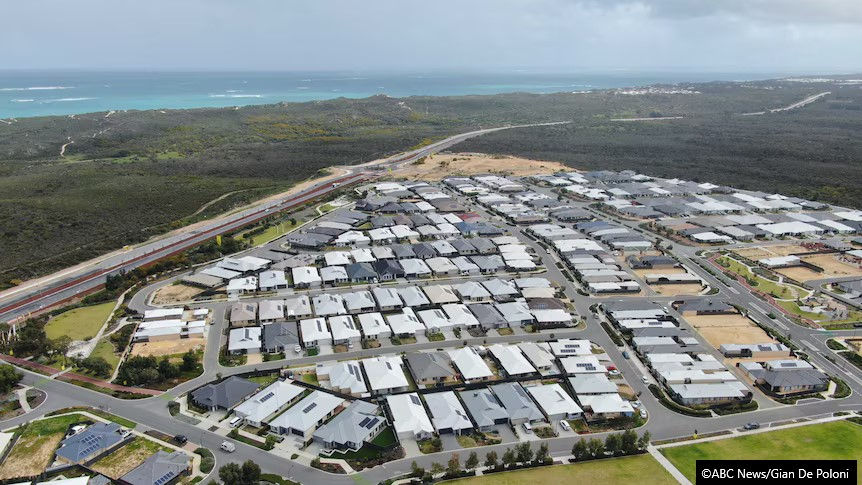
Western Australia’s housing shortage has created another problem for the construction industry, with demand for bricks exceeding local manufacturing capacity and builders facing delays in obtaining one of the most commonly used residential building materials.
The shortage has prompted the State Government to intervene, including an agreement worth up to $4 million to help Austral Bricks reopen its Cardup factory, which ceased production in April 2023.
The situation is particularly interesting given that Western Australia once had considerably more brick manufacturing capacity. Several factories have since closed or been placed into care and maintenance as demand declined.
Now, with residential construction increasing, the industry is having to restore some of that lost capacity.
How did Western Australia end up with a brick shortage?
Brick manufacturing has been an important part of Western Australia’s building industry for more than a century, particularly in Perth, where double-brick construction has remained more popular than in other Australian states.
However, demand has fluctuated considerably, with manufacturers closing factories, consolidating operations and reducing production during periods of lower construction activity.
These decisions reduced operating costs but left fewer factories available when demand increased.
Austral Bricks closed its Cardup factory in April 2023, leaving Midland Brick as Western Australia’s only major operating clay-brick manufacturer.
By September 2026, the State Government reported that annual housing commencements had exceeded 24,200, including approximately 19,500 detached houses. Detached housing commencements had increased by more than 50 per cent since Cardup closed.
With Midland Brick struggling to meet demand, the company announced that it would introduce an allocation system from 1 October 2026, limiting the quantities of clay products available to customers according to its manufacturing capacity.
For builders already dealing with rising costs, labour shortages and construction delays, restricted brick supplies created another obstacle. Homes could be left waiting at particular stages of construction even when other materials and trades were available.
The State Government steps in
On 29 September 2026, the Cook Government announced an agreement with Brickworks Limited, the company behind Austral Bricks, to recommission its Cardup factory.
The agreement provides up to $4 million in financial assistance, comprising:
- $3 million towards recommissioning costs, including repairs and maintenance.
- $500,000 if operations resume by March 2027.
- A further $500,000 if the factory produces 17 million Maxibricks within 12 months of restarting.
Once operational, Cardup is expected to increase Western Australia’s brick manufacturing output by approximately 10 to 15 per cent.
The Department of Water and Environmental Regulation will also work with Brickworks on changes to the factory’s operating licence, including a possible ten-year extension.
Western Australia’s housing shortage has created another problem for the construction industry, with demand for bricks exceeding local manufacturing capacity and builders facing delays in obtaining one of the most commonly used residential building materials.
The shortage has prompted the State Government to intervene, including an agreement worth up to $4 million to help Austral Bricks reopen its Cardup factory, which ceased production in April 2023.
The situation is particularly interesting given that Western Australia once had considerably more brick manufacturing capacity. Several factories have since closed or been placed into care and maintenance as demand declined.
Now, with residential construction increasing, the industry is having to restore some of that lost capacity.
How did Western Australia end up with a brick shortage?
Brick manufacturing has been an important part of Western Australia’s building industry for more than a century, particularly in Perth, where double-brick construction has remained more popular than in other Australian states.
However, demand has fluctuated considerably, with manufacturers closing factories, consolidating operations and reducing production during periods of lower construction activity.
These decisions reduced operating costs but left fewer factories available when demand increased.
Austral Bricks closed its Cardup factory in April 2023, leaving Midland Brick as Western Australia’s only major operating clay-brick manufacturer.
By September 2026, the State Government reported that annual housing commencements had exceeded 24,200, including approximately 19,500 detached houses. Detached housing commencements had increased by more than 50 per cent since Cardup closed.
With Midland Brick struggling to meet demand, the company announced that it would introduce an allocation system from 1 October 2026, limiting the quantities of clay products available to customers according to its manufacturing capacity.
For builders already dealing with rising costs, labour shortages and construction delays, restricted brick supplies created another obstacle. Homes could be left waiting at particular stages of construction even when other materials and trades were available.
The State Government steps in
On 29 September 2026, the Cook Government announced an agreement with Brickworks Limited, the company behind Austral Bricks, to recommission its Cardup factory.
The agreement provides up to $4 million in financial assistance, comprising:
- $3 million towards recommissioning costs, including repairs and maintenance.
- $500,000 if operations resume by March 2027.
- A further $500,000 if the factory produces 17 million Maxibricks within 12 months of restarting.
Once operational, Cardup is expected to increase Western Australia’s brick manufacturing output by approximately 10 to 15 per cent.
The Department of Water and Environmental Regulation will also work with Brickworks on changes to the factory’s operating licence, including a possible ten-year extension.
Austral Bricks and the Cardup factory
Brick manufacturing in the Byford and Cardup district dates back to the late nineteenth century, when the area developed as an important source of clay and building materials.
Austral Bricks’ Cardup factory eventually became one of its principal manufacturing facilities in Western Australia, although its operations were periodically affected by changing demand.
In 2017, Brickworks reported that improvements to Cardup had allowed the company to consolidate its Western Australian operations, including closing its Malaga factory and mothballing the Armadale plant.
At the time, Cardup and Bellevue were considered capable of meeting anticipated demand, with Armadale retained as additional capacity if required.
However, by September 2019, Cardup itself had been placed into care and maintenance.
Austral Bricks subsequently announced plans to resume manufacturing in late 2020 while pursuing approvals to modernise its production equipment.
The proposed improvements included upgrades to the kiln, dryers and crushing equipment, with an environmental assessment examining an increase in the factory’s design capacity from 200,000 to 250,000 tonnes annually.
Cardup eventually ceased manufacturing again in April 2023.
The Midland Brick dispute
The closure of Cardup occurred during a period of legal proceedings involving Brickworks, BGC Australia and Midland Brick.
Midland Brick had undergone several ownership changes in the preceding years.
In 2019, Boral agreed to sell Midland Brick to a property development consortium involving Linc Property and Fini Group, with the transaction completed in September 2020.
BGC subsequently proposed acquiring Midland Brick’s manufacturing business.
In December 2020, the Australian Competition and Consumer Commission announced that it would not oppose the acquisition.
The ACCC considered evidence that Midland Brick’s manufacturing facilities could be closed and its kilns demolished if the acquisition did not proceed, resulting in the loss of existing brick manufacturing capacity.
BGC went on to operate Midland Brick, while Brickworks pursued legal proceedings involving BGC and Midland Brick under the Competition and Consumer Act.
The case was scheduled for a hearing in June 2025 but was settled before reaching trial.
On 3 April 2025, Brickworks announced that the parties had agreed to have the proceedings dismissed without liability to either side.
Was Austral Bricks Interested in Midland Brick’s Manufacturing Equipment?
One interesting aspect of this period concerns the differences between the manufacturing equipment used at the various brickworks.
Modern brick manufacturing requires substantial investment in kilns, dryers, conveyors, crushers and other specialised machinery.
Older factories can remain operational for many years, although upgrading them to meet modern production requirements can be expensive.
Austral Bricks had already pursued approvals to modernise Cardup, including replacing or upgrading major components of its production process.
There have also been suggestions that Austral Bricks was interested in acquiring Midland Brick’s manufacturing facilities if they won their legal case, potentially providing access to more modern equipment than was available at Cardup.
However, the documents reviewed do not establish whether such an acquisition was formally proposed or whether it had any connection to the litigation.
What happened to Austral Bricks’ Armadale factory?
Austral Bricks’ former Armadale factory is another example of manufacturing capacity withdrawn from operation.
In 2017, Brickworks announced that the plant had been mothballed following improvements to Cardup and the consolidation of its Western Australian operations.
At the time, the company indicated that Armadale could provide additional capacity if demand increased.
However, unlike Cardup, which was subsequently restarted before closing again, Armadale has not been included in the latest recommissioning announcement.
There are accounts that the former factory was used for smaller production orders and that its disused buildings have since suffered extensive theft of copper and other materials.
The site has also reportedly been considered for demolition.
Why can’t brick factories just restart?
Reopening a brick factory is not as straightforward as switching the machinery back on.
Facilities that have been inactive for several years may require extensive inspections, repairs and replacement components before production can resume.
Kilns and dryers must operate at controlled temperatures, while conveyors, crushers, electrical systems and other equipment need to be capable of supporting continuous manufacturing.
Environmental approvals, staffing, clay supplies and operating costs must also be considered.
Depending on the condition of the factory,
recommissioning can require substantial investment, particularly where machinery has deteriorated or no longer meets operational requirements.
This helps explain the State Government’s decision to contribute towards Cardup’s reopening rather than leaving Brickworks to meet the entire cost.
The Cost of losing manufacturing capacity
The current shortage also raises questions about what happens when established manufacturing facilities are closed.
Closing a factory during periods of lower demand may make commercial sense, particularly when maintaining unused machinery and infrastructure continues to cost money.
However, if demand increases faster than the remaining factories can accommodate, builders and homebuyers can face the consequences.
Western Australia is now in that position.
The government’s assistance may help relieve some of the pressure, although Cardup’s additional production will not be available immediately.
There is also no guarantee that the industry will avoid similar shortages in the future.
The difficulty is maintaining enough manufacturing capacity to meet demand without leaving companies responsible for operating expensive factories during prolonged periods of reduced construction activity.
What happens next?
Austral Bricks is expected to restart production at Cardup by March 2027, with government assistance linked to the commencement of operations and the quantity of bricks manufactured.
Midland Brick is also undertaking measures to increase production through its existing facilities at South Guildford and Middle Swan.
Together, these measures are intended to improve brick supplies and reduce delays affecting residential construction.
Whether they will be sufficient remains to be seen.
Brick manufacturing in the Byford and Cardup district dates back to the late nineteenth century, when the area developed as an important source of clay and building materials.
Austral Bricks’ Cardup factory eventually became one of its principal manufacturing facilities in Western Australia, although its operations were periodically affected by changing demand.
In 2017, Brickworks reported that improvements to Cardup had allowed the company to consolidate its Western Australian operations, including closing its Malaga factory and mothballing the Armadale plant.
At the time, Cardup and Bellevue were considered capable of meeting anticipated demand, with Armadale retained as additional capacity if required.
However, by September 2019, Cardup itself had been placed into care and maintenance.
Austral Bricks subsequently announced plans to resume manufacturing in late 2020 while pursuing approvals to modernise its production equipment.
The proposed improvements included upgrades to the kiln, dryers and crushing equipment, with an environmental assessment examining an increase in the factory’s design capacity from 200,000 to 250,000 tonnes annually.
Cardup eventually ceased manufacturing again in April 2023.
The Midland Brick dispute
The closure of Cardup occurred during a period of legal proceedings involving Brickworks, BGC Australia and Midland Brick.
Midland Brick had undergone several ownership changes in the preceding years.
In 2019, Boral agreed to sell Midland Brick to a property development consortium involving Linc Property and Fini Group, with the transaction completed in September 2020.
BGC subsequently proposed acquiring Midland Brick’s manufacturing business.
In December 2020, the Australian Competition and Consumer Commission announced that it would not oppose the acquisition.
The ACCC considered evidence that Midland Brick’s manufacturing facilities could be closed and its kilns demolished if the acquisition did not proceed, resulting in the loss of existing brick manufacturing capacity.
BGC went on to operate Midland Brick, while Brickworks pursued legal proceedings involving BGC and Midland Brick under the Competition and Consumer Act.
The case was scheduled for a hearing in June 2025 but was settled before reaching trial.
On 3 April 2025, Brickworks announced that the parties had agreed to have the proceedings dismissed without liability to either side.
Was Austral Bricks Interested in Midland Brick’s Manufacturing Equipment?
One interesting aspect of this period concerns the differences between the manufacturing equipment used at the various brickworks.
Modern brick manufacturing requires substantial investment in kilns, dryers, conveyors, crushers and other specialised machinery.
Older factories can remain operational for many years, although upgrading them to meet modern production requirements can be expensive.
Austral Bricks had already pursued approvals to modernise Cardup, including replacing or upgrading major components of its production process.
There have also been suggestions that Austral Bricks was interested in acquiring Midland Brick’s manufacturing facilities if they won their legal case, potentially providing access to more modern equipment than was available at Cardup.
However, the documents reviewed do not establish whether such an acquisition was formally proposed or whether it had any connection to the litigation.
What happened to Austral Bricks’ Armadale factory?
Austral Bricks’ former Armadale factory is another example of manufacturing capacity withdrawn from operation.
In 2017, Brickworks announced that the plant had been mothballed following improvements to Cardup and the consolidation of its Western Australian operations.
At the time, the company indicated that Armadale could provide additional capacity if demand increased.
However, unlike Cardup, which was subsequently restarted before closing again, Armadale has not been included in the latest recommissioning announcement.
There are accounts that the former factory was used for smaller production orders and that its disused buildings have since suffered extensive theft of copper and other materials.
The site has also reportedly been considered for demolition.
Why can’t brick factories just restart?
Reopening a brick factory is not as straightforward as switching the machinery back on.
Facilities that have been inactive for several years may require extensive inspections, repairs and replacement components before production can resume.
Kilns and dryers must operate at controlled temperatures, while conveyors, crushers, electrical systems and other equipment need to be capable of supporting continuous manufacturing.
Environmental approvals, staffing, clay supplies and operating costs must also be considered.
Depending on the condition of the factory,
recommissioning can require substantial investment, particularly where machinery has deteriorated or no longer meets operational requirements.
This helps explain the State Government’s decision to contribute towards Cardup’s reopening rather than leaving Brickworks to meet the entire cost.
The Cost of losing manufacturing capacity
The current shortage also raises questions about what happens when established manufacturing facilities are closed.
Closing a factory during periods of lower demand may make commercial sense, particularly when maintaining unused machinery and infrastructure continues to cost money.
However, if demand increases faster than the remaining factories can accommodate, builders and homebuyers can face the consequences.
Western Australia is now in that position.
The government’s assistance may help relieve some of the pressure, although Cardup’s additional production will not be available immediately.
There is also no guarantee that the industry will avoid similar shortages in the future.
The difficulty is maintaining enough manufacturing capacity to meet demand without leaving companies responsible for operating expensive factories during prolonged periods of reduced construction activity.
What happens next?
Austral Bricks is expected to restart production at Cardup by March 2027, with government assistance linked to the commencement of operations and the quantity of bricks manufactured.
Midland Brick is also undertaking measures to increase production through its existing facilities at South Guildford and Middle Swan.
Together, these measures are intended to improve brick supplies and reduce delays affecting residential construction.
Whether they will be sufficient remains to be seen.


Comments