


Fremantle Traffic Bridge Naming: Who Do Politicians Represent?

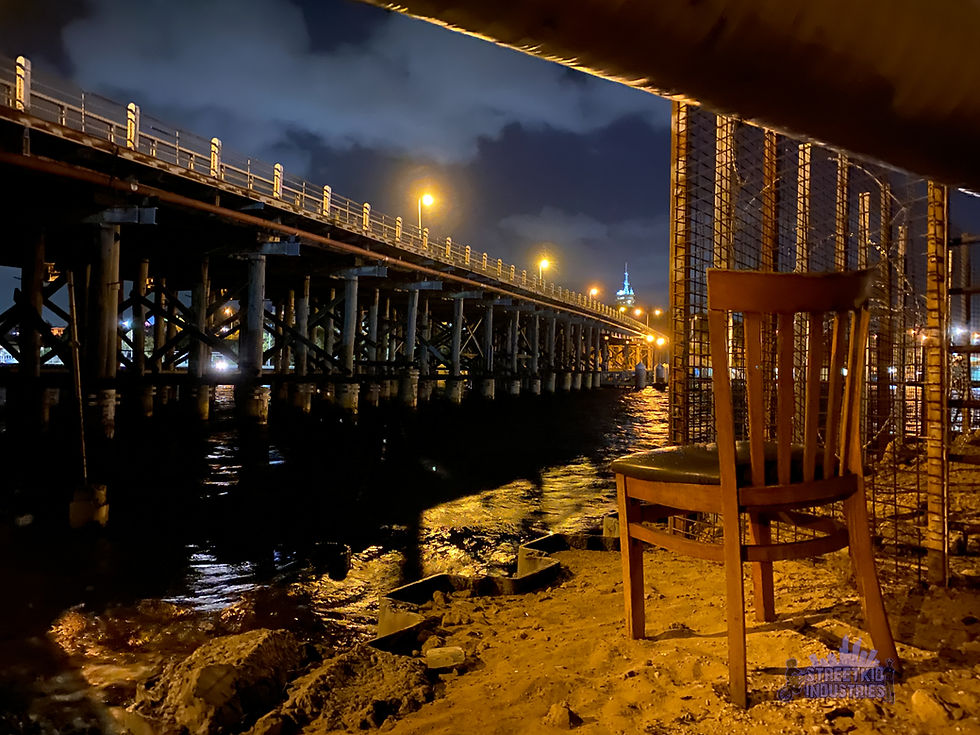
The decision to name the replacement Fremantle Traffic Bridge Walyalup Bridge raises a reasonable question: what say did the community have in choosing it?
Walyalup is the traditional Whadjuk Noongar name for Fremantle. Its cultural significance deserves recognition. But that does not remove the need to explain how the bridge’s name was chosen, whether alternatives were considered and whether retaining the familiar name was an option.
For people who have always known the crossing as the Fremantle Traffic Bridge, it’s reasonable to ask why that name needed to change.
What Say Did the Community Have?
Consultation about a bridge’s design and surrounding public spaces does not necessarily give people a say in its name. These are separate decisions and the government should clearly explain the process used for each.
Were residents invited to suggest names? Was Fremantle Traffic Bridge considered? Who made the final decision and what criteria were used?
If consultation informed the choice, the government should publish the relevant results and explain how they influenced the outcome. If the name was selected through another process, it should explain that openly.
An announcement tells people what has been decided. By itself, it does not demonstrate that they had a meaningful opportunity to contribute.
Recognition Does Not Always Require Replacement
There are good reasons to recognise Aboriginal history and traditional place names. There are also good reasons why people become attached to familiar names.
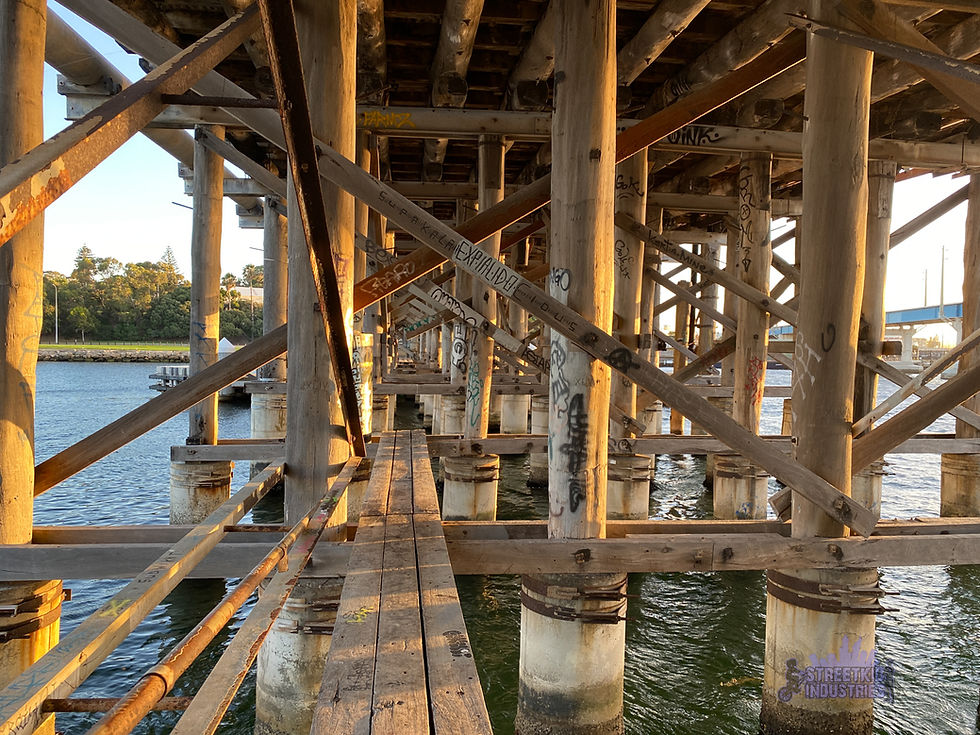
The Fremantle Traffic Bridge is a straightforward, descriptive name. It identifies the crossing and its location and connects the replacement structure with the bridge it succeeds.
Preferring that name does not, by itself, mean someone opposes Aboriginal recognition. People can support recognition while disagreeing with the name chosen for a particular piece of infrastructure.
The government should be able to explain why Walyalup Bridge was preferred and whether other options were considered, including retaining the existing name, while recognising Whadjuk Noongar history through signage, public art or historical information.
Equally, objections to the new name do not prove that the whole community opposes it. Public comments can show that people disagree but they cannot establish the views of everyone who uses the bridge. Claims of community support or opposition need more than whichever comments happen to be the loudest.
That makes an open explanation of the naming process more useful than assumptions from either side.
Representation Requires Accountability
Governments are elected to make decisions. They can’t hold a public vote on every issue and consultation doesn’t mean everyone will get the outcome they want.
But elected authority does not put a decision beyond scrutiny.
When naming a major public landmark, the government should be prepared to explain whose views it sought, what those people were asked and why the final name was selected. Consulting people about several possible names is different from asking them to comment on a name that has already been chosen.
Nor should concerns about the process be dismissed just because the chosen name has cultural significance. People are entitled to question a government decision and expect an answer that addresses what they actually asked.
A clear explanation may not persuade everyone to embrace Walyalup Bridge. Some will continue calling it the Fremantle Traffic Bridge because that is the name they know and prefer. Disagreement alone does not make the decision wrong but making the name official does not settle questions about the process.
The government should publish a clear account of how the name was chosen, the alternatives considered and the community input that informed it.
Politicians are elected to represent people. That includes explaining decisions, answering criticism and showing how public views were considered.
The question is simple: what opportunity did the community have to influence this decision?


Comments